It is important for the child to know what sort of thinking processes go on during reading. The reading guide should model the thinking process by verbalising the thoughts as they happen. This is referred to as 'thinking-aloud' and it seeks to make the thinking processes more explicit. For example, the reading guide may stop at the end of a sentence and talk about what he or she has imagined or pictured while reading the passage.

At other times the reading guide may come to a difficult word and tell how he/she arrived at the correct response. As we have discussed before it is often a good idea to model using compensatory strategies to restore meaning. For example, "This, word does not sound right, I'll read the beginning of the sentence to gain more clues. Oh, yes, and he first letter of the word helped me to work it out. Oh, yes it now makes more sense and it looks right."
The guide should demonstrate that reading is not just word calling. It is an active meaning making process. The reader negotiates with the text by connecting text ideas with his/her experiences and understandings. Reading fluently helps but not at the expense of engaging deeply with the text. Reading is not a perfect activity and when children make errors they realise that mistakes are part of the learning process.
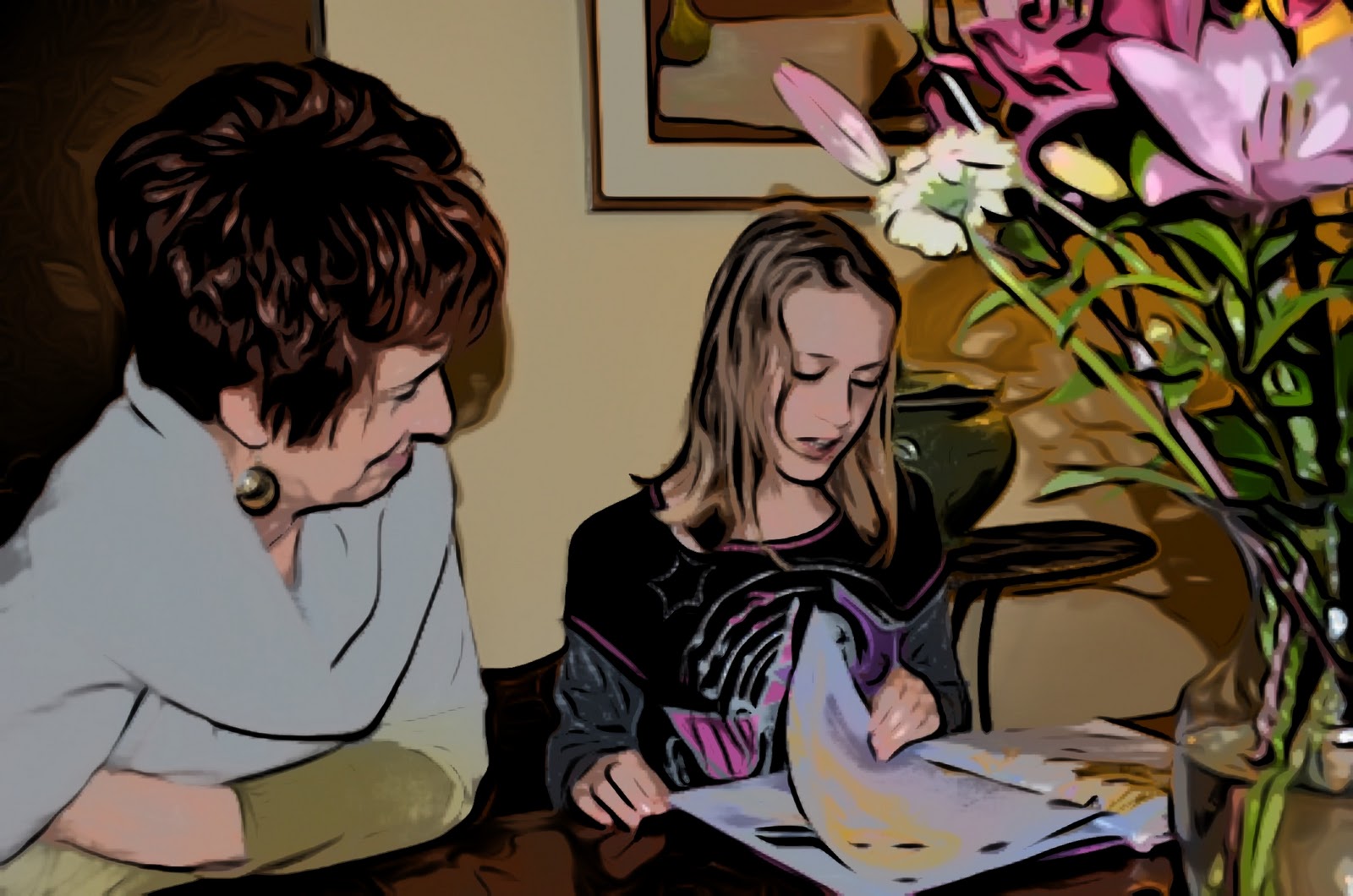
At other times the reading guide may come to a difficult word and tell how he/she arrived at the correct response. As we have discussed before it is often a good idea to model using compensatory strategies to restore meaning. For example, "This, word does not sound right, I'll read the beginning of the sentence to gain more clues. Oh, yes, and he first letter of the word helped me to work it out. Oh, yes it now makes more sense and it looks right."
The guide should demonstrate that reading is not just word calling. It is an active meaning making process. The reader negotiates with the text by connecting text ideas with his/her experiences and understandings. Reading fluently helps but not at the expense of engaging deeply with the text. Reading is not a perfect activity and when children make errors they realise that mistakes are part of the learning process.


